
How Celebrity Style Shapes Pop Culture: From Red Carpet Moments to Everyday Trends
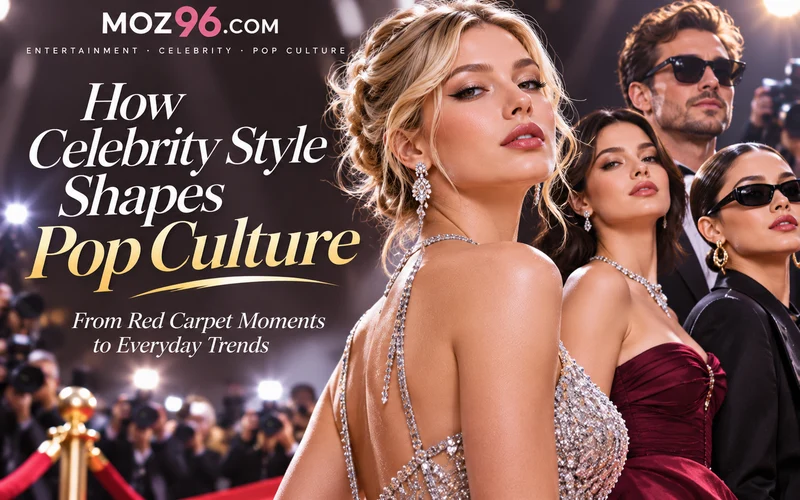
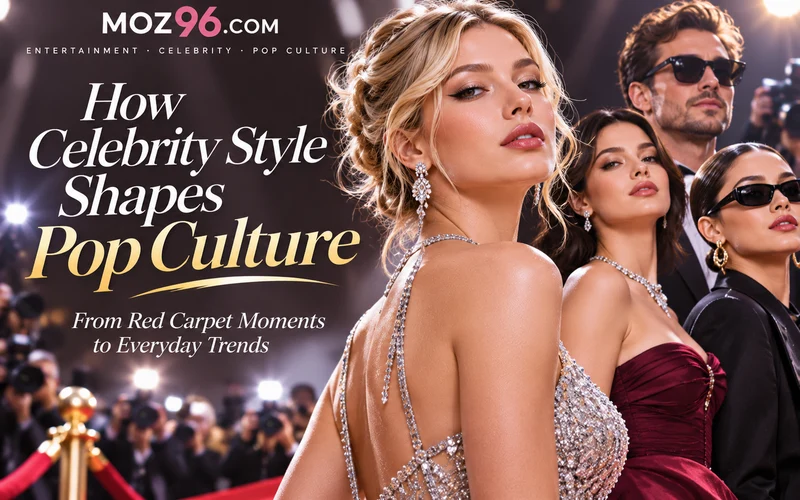
A red-carpet photograph can travel around the world before the event is even over. A dress becomes a headline, a hairstyle fills social feeds, and a detail once reserved for a couture runway suddenly appears in shopping searches and everyday wardrobes. Celebrity fashion is no longer just about what famous people wear. It has become a visible part of how films are promoted, identities are built, and pop culture is shared.
The relationship works in both directions. Entertainment gives fashion a story, while fashion gives entertainment an image people can recognize, discuss, imitate, and remember. The most influential celebrity looks do more than attract attention for a few hours: they create a visual language that audiences can carry beyond the red carpet.
When a red-carpet look becomes part of the story
For years, a premiere outfit was often treated as a separate moment from the film itself. Today, many major campaigns connect the two. The clothes can introduce a character, hint at a film's atmosphere, or give fans another way to enter its world before they buy a ticket.
This approach is often called method dressing: styling that takes inspiration from a character, a story, or the visual world of a project. It is not simply wearing a themed costume. At its best, it translates a film's ideas into fashion while still allowing the actor to look like themselves.
Zendaya's promotional wardrobe for Challengers offered a clear example. Tennis references appeared through sporty silhouettes, court-inspired greens and whites, racket details, and even tennis-ball heels. The looks gave the campaign a recognizable visual thread across different cities and appearances. ABC News documented the campaign's tennis-inspired styling, including the custom green premiere gown and the distinctive accessories.
The effect is a kind of visual storytelling. A viewer who has not yet watched the film can still understand its central mood: competition, movement, glamour, and the world of professional tennis. The outfit becomes a compact piece of promotion that can be understood in a single image.
Three campaigns that show the power of celebrity fashion
Zendaya's tennis-inspired wardrobe connected the film's setting with fashion through color, shape, and playful details. The campaign showed how a repeated visual idea can make a press tour feel like one coherent story rather than a collection of unrelated outfits.
At the London premiere, Zendaya wore a metallic vintage Mugler couture design first shown in 1995. The futuristic silhouette echoed the film's science-fiction world and introduced a historic runway piece to a much wider audience. The look became one of the campaign's most discussed images. ABC News covered the archival design and its original runway history.
Margot Robbie's press-tour wardrobe revisited outfits associated with different Barbie eras. Pink, playful proportions, and recognizable doll references made the film's visual identity easy for fans to join. Audiences could participate by wearing pink to screenings, turning a promotional palette into a shared social moment.
These campaigns demonstrate three different routes to cultural impact: a sport translated into glamour, fashion history brought back into conversation, and a familiar color transformed into a collective invitation. In each case, the clothing gave audiences something to recognize and respond to.
The stylist is now part of the celebrity story
A memorable look is rarely the result of a dress chosen in isolation. Stylists research designers, study references, understand the subject's public image, coordinate fittings, and consider how an outfit will photograph from every angle. They often connect a single appearance to a much larger narrative.
Law Roach's work with Zendaya illustrates how visible that role has become. Their partnership is discussed not only in fashion coverage but also as part of the way audiences understand the actor's public image. ABC News noted Roach's description of himself as an image architect, reflecting a role that extends beyond selecting clothes.
That influence can be seen in the way a stylist's choices create continuity. A recurring silhouette, a carefully chosen archival reference, or a color repeated across several appearances can become part of a star's recognizable visual identity. The stylist is therefore not just dressing a person for an event; the work can help shape how the public remembers that person and the project they represent.
How social media turns a look into a conversation
Before social platforms became central to entertainment coverage, a red-carpet outfit might receive attention in a television segment or a magazine recap. Now, one image can be reposted, cropped, analyzed, and debated across Instagram, TikTok, X, Pinterest, and fan communities within minutes.
That circulation changes what makes an outfit memorable. A strong look needs a clear visual idea that survives a small phone screen: an unusual shape, an instantly recognizable reference, a dramatic color, or a detail that rewards a closer look. Fans then add context through side-by-side comparisons, designer credits, runway archives, reaction videos, and styling breakdowns.
GQ's reporting on Hollywood press tours describes how the promotional schedule now includes red carpets, photocalls, interviews, and multiple appearances, with outfits designed to create attention across the full campaign. Its account of the Challengers tour also shows how individual details—such as tennis-inspired shoes—became part of the online conversation. Read GQ's breakdown of the changing press-tour fashion landscape.
Social media does not automatically make every outfit influential. It does, however, make the route from a celebrity image to a public conversation much shorter. A look can become a reference point because people interpret it, remix it, and attach their own meaning to it.
From celebrity inspiration to everyday style
Most people will not recreate a couture premiere look from head to toe, and they do not need to. The more practical influence often comes from separating a dramatic outfit into elements that work in ordinary settings.
Take a vivid color story and use it in a knit, bag, shoes, or one statement accessory instead of wearing a full themed outfit.
Borrow the proportion rather than the exact garment: a defined shoulder, a long clean line, or a more structured waist can change a simple outfit.
Look for one distinctive finish—metallic texture, sculptural jewelry, or a retro shape—and pair it with contemporary basics.
Translate a mood into clothes: sporty, romantic, futuristic, or minimalist. Keep the reference subtle enough to feel personal.
The key is to borrow the principle, not copy the entire look. A tennis-inspired palette might become a crisp white shirt with a green accent. A futuristic metallic moment could translate into silver earrings or a textured evening bag. A vintage reference might work as a single accessory against modern tailoring.
That is how celebrity style becomes wearable culture: the original image sparks an idea, and individual taste decides what happens next.
Why some celebrity looks last longer than a news cycle
Visibility is only the beginning. A look has a better chance of remaining culturally relevant when it has a story people can explain, a design detail they can recognize, and enough flexibility to be interpreted in different ways.
There is also a difference between a viral image and a lasting influence. A spectacular outfit may dominate a news feed for one day but have little effect beyond that moment. By contrast, a reference that connects to a film, a designer's archive, a familiar character, or a broader mood can return in fan styling, fashion editorials, and later collections.
Repetition helps, too. When a visual theme appears across a premiere, a photocall, an interview, and fan content, it becomes easier to remember. But repetition alone is not enough: the strongest campaigns develop the idea rather than simply repeating the same outfit formula.
Celebrity style is a conversation, not a one-way trend
It is tempting to describe fashion influence as a celebrity wearing something and everyone else following. In reality, the process is more collaborative. Designers create the pieces, stylists build the narrative, celebrities bring the look to a public stage, entertainment projects give it context, and audiences decide which details deserve another life.
Fans are not passive observers in that process. They reinterpret looks through affordable styling, thrift finds, makeup, accessories, and personal expression. Sometimes the audience response becomes the most memorable part of the campaign: dressing in pink for Barbie, for example, made cinema attendance feel like a small fashion event of its own.
That exchange explains why celebrity fashion belongs in entertainment coverage. It is part of the experience around a film, a performance, or a public appearance—and it gives people another way to participate in the stories they love. The red carpet may be where the image begins, but pop culture is shaped by what everyone does with it afterward.
Further reading
- ABC News: From Zendaya to Margot Robbie, method dressing on Hollywood red carpets
- Vogue: Margot Robbie’s Barbie-inspired press-tour wardrobe
- Vogue: Zendaya's red-carpet fashion and the work behind the image
The most interesting celebrity looks do not simply tell us what is fashionable. They show how entertainment, design, identity, and audience participation can meet in one image—and how that image can become part of everyday culture.

About MOZ96

No comments
We’d love to hear your thoughts! Share your opinion, experience, or questions in the comments below and join the conversation with other readers. Your feedback not only helps us improve future articles, but it may also help someone else who is looking for the same information.